
Today’s students are constantly surrounded by digital distractions, and excessive screen time has become a major barrier to maintaining focus during studies. When screens take over your routine, concentration weakens, memory declines, and productivity drops. This topic explores how excessive screen time slowly harms your ability to learn effectively and how simple changes can rebuild your focus.
Understanding the Hidden Impact of Excessive Screen Exposure
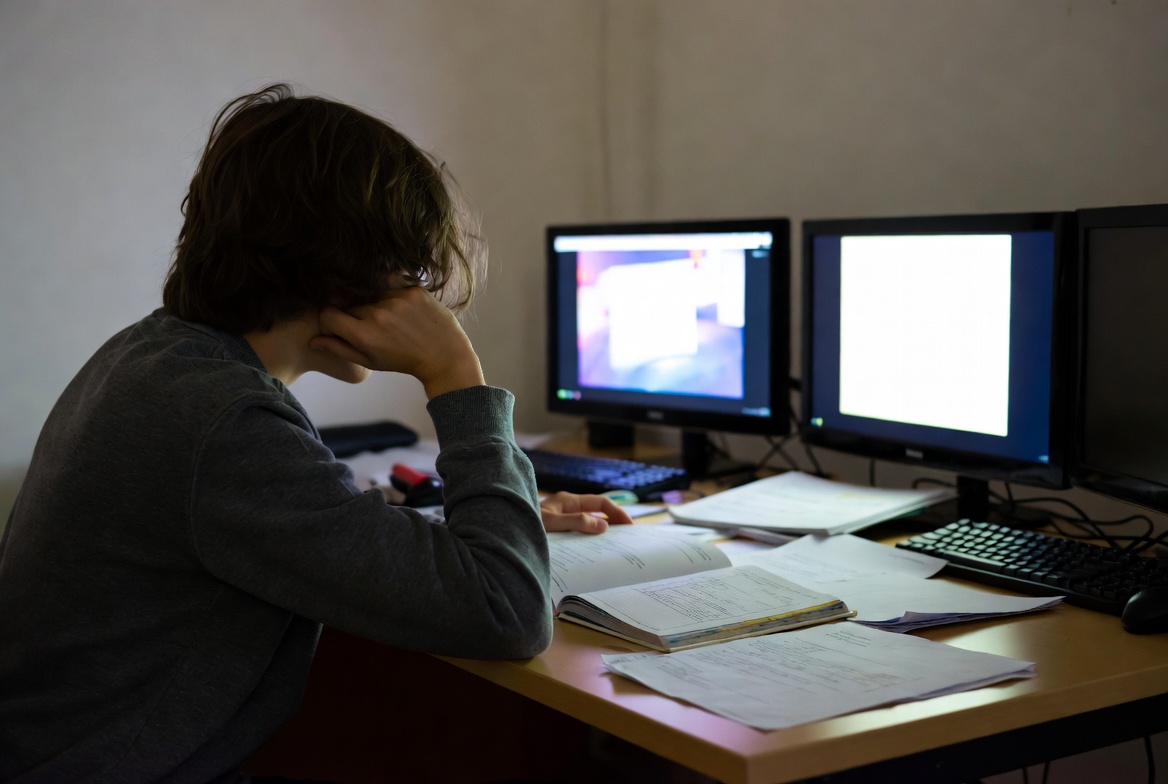
Students often assume that using a phone, laptop, or tablet for long hours is normal. However, excessive screen time disrupts natural brain functioning, reduces attention span, and interferes with academic performance. The overstimulation from digital devices sends your brain into constant alert mode, making it harder to concentrate on tasks like reading or solving questions.
Moreover, prolonged screen exposure disrupts the brain’s dopamine balance. Because screens provide instant gratification, the mind starts craving short-term rewards rather than long, disciplined study periods. This creates a cycle of distraction.
Why Your Brain Struggles After Long Hours on Screens
Every time you unlock your phone, your brain receives small dopamine spikes. Social media, reels, and gaming apps amplify this effect. When this becomes a habit, your mind expects the same quick stimulation even during studies. As a result, long paragraphs or complex concepts feel boring.
This is why students often say:
“I sit to study but cannot focus for more than a few minutes.”
This is not laziness—it is overstimulation caused by excessive screen time.
Scientific Evidence Behind Reduced Focus
Research shows that screen exposure exceeding two hours a day can affect:
-
Working memory
-
Deep concentration
-
Decision-making speed
-
Problem-solving ability
-
Sleep cycles
A tired brain becomes less capable of absorbing information, which directly impacts academic growth.
Difference Between Healthy and Unhealthy Screen Usage
| Type | Healthy Screen Time | Excessive Screen Time |
|---|---|---|
| Duration | 1–2 hours/day for study | 4–8+ hours of pure entertainment |
| Effect on Brain | Active and mindful | Distracted and restless |
| Study Performance | Improved understanding | Declined focus and retention |
The Direct Effects of Excessive Screen Time on Study Focus
1. Shortened Attention Span
Screen scrolling trains your mind to switch activities quickly. This makes it harder to stay with one topic for long.
2. Poor Retention and Memory Issues
The brain absorbs less when distracted frequently—leading to poor recall during exams.
3. Reduced Motivation to Study
Entertainment apps create a false sense of reward, making studies feel tiring.
4. Disturbed Sleep Cycle
Blue light reduces melatonin, leading to late-night sleep and daytime fatigue.
5. Higher Stress and Anxiety
Constant online activity overstimulates the brain, increasing stress levels.
Psychological Effects of Digital Overload
Mental fatigue is one of the biggest consequences of excessive screen time. Students often feel irritated, lose patience quickly, and develop procrastination habits. Their emotional energy drains faster, leading to burnout even before exams.
How Screen Time Affects Productivity
When students try to multitask—studying while keeping notifications on—their productivity drops by 40%. Every small notification breaks the brain’s flow. Regaining focus takes several minutes.
This is why one hour of studying with distractions equals barely 20 minutes of effective learning.
How to Break the Habit of Excessive Screen Use
1. Start With a Digital Detox Plan
Keep screens away for 2–3 hours daily during peak study time.
2. Turn Off All Notifications
Only allow study-related or essential alerts.
3. Follow the 20-20-20 Rule
Every 20 minutes, look 20 feet away for 20 seconds to reduce eye strain.
4. Replace Screens With Productive Alternatives
Use printed notes, physical books, and offline practice materials.
Practical Tips to Regain Focus
-
Use a simple phone during study hours
-
Set app locks for addictive platforms
-
Maintain a fixed study timetable
-
Practice meditation for mental clarity
-
Keep your study space screen-free
When Screens Are Useful (Without Overuse)
Screens are not the enemy. The real problem is uncontrolled usage. Students can use digital tools effectively when boundaries are set—for example, online lectures, mock tests, or doubt-solving platforms.
Balance is the key.
Conclusion
Excessive screen time silently weakens concentration, memory, sleep quality, and overall academic performance. By understanding its impact and adopting simple discipline-based strategies, students can reclaim their focus and study with renewed energy. Reducing screen time isn’t just a habit—it’s an investment in your future success.