
JEE 2026 preparation begins much earlier than most students realize, especially for first-year aspirants entering Class 11. The initial year plays a crucial role in shaping concepts, habits, and confidence. However, many students unknowingly make mistakes that cost them time, marks, and motivation. Understanding these early errors can help students plan smarter, reduce stress, and stay ahead in the competitive JEE journey.
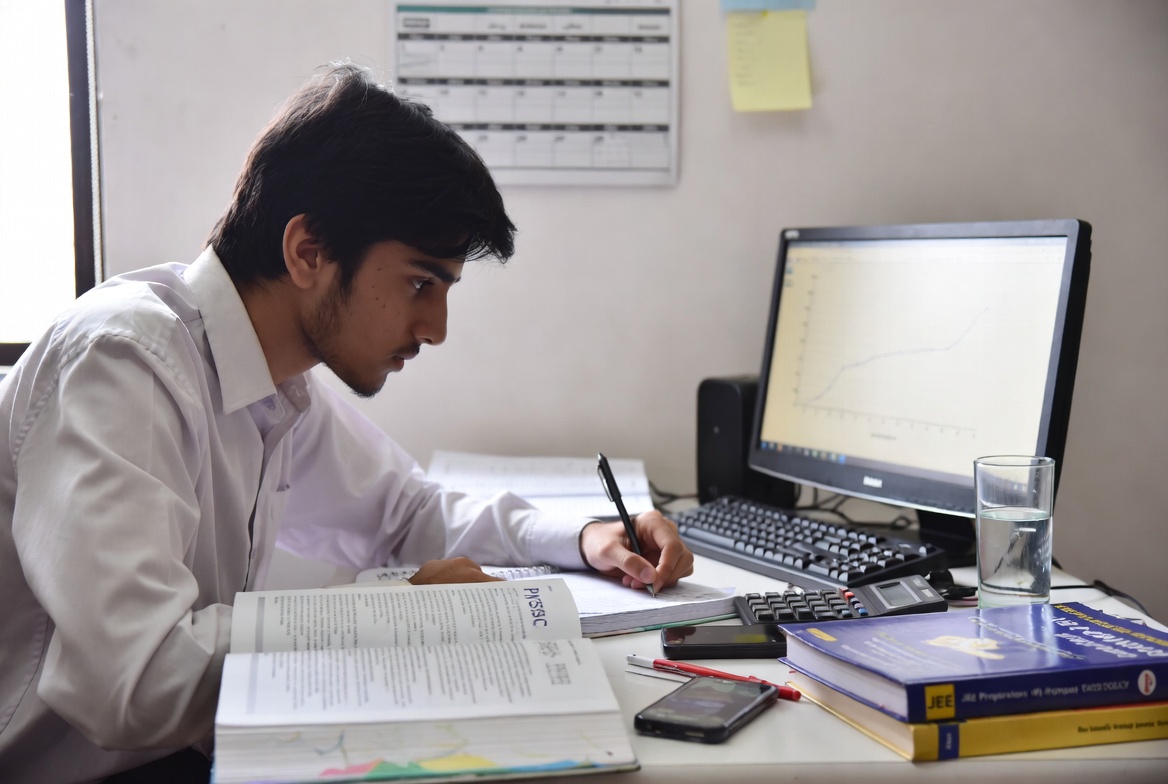
Why the First Year Matters More Than You Think
Many students believe serious JEE preparation starts in Class 12. However, this mindset creates gaps that are hard to fill later. Class 11 topics form the backbone of JEE questions.
When fundamentals are weak, even repeated revision in Class 12 feels confusing. Therefore, the first year must focus on clarity, consistency, and discipline.
Ignoring NCERT Books Completely
One of the biggest mistakes first-year students make is ignoring NCERT textbooks.
While reference books are important, NCERT helps in:
-
Understanding basic concepts
-
Aligning school and JEE preparation
-
Strengthening theory for Chemistry
Skipping NCERT leads to shallow understanding and poor retention.
Studying Without a Proper Plan
Random study sessions often feel productive but rarely deliver results.
Without a structured plan:
-
Topics remain incomplete
-
Revision gets delayed
-
Tests feel overwhelming
A simple weekly and monthly plan keeps preparation on track and reduces anxiety.
Focusing Only on Difficult Topics
Many students chase tough problems to feel “JEE-level,” ignoring basics.
This approach is risky because:
-
Easy questions carry equal marks
-
Fundamentals are frequently tested
-
Accuracy suffers under pressure
Strong basics often decide rank more than a few advanced problems.
Avoiding Regular Practice
Understanding theory is only half the job. JEE demands application.
Common practice-related mistakes include:
-
Solving very few numerical problems
-
Avoiding previous questions
-
Not timing practice sessions
Daily practice builds speed and confidence gradually.
Not Analyzing Mistakes After Tests
Giving tests without analysis is another common error.
Students should:
-
Review every wrong answer
-
Identify concept gaps
-
Note recurring mistakes
This habit improves performance faster than simply attempting more tests.
Overloading With Too Many Books
Buying multiple books often creates confusion instead of clarity.
Problems with book overload:
-
Conflicting explanations
-
Incomplete coverage
-
Increased stress
Sticking to limited, trusted resources ensures focused learning.
Neglecting Mathematics Practice
In JEE preparation, Mathematics requires daily effort.
First-year students often:
-
Skip maths on busy days
-
Delay problem-solving
-
Focus more on theory
Regular practice is essential to build problem-solving confidence.
Poor Time Management From Day One
Time mismanagement starts early and compounds later.
Signs of poor time use include:
-
Long study hours with low output
-
Frequent breaks without planning
-
Studying only before tests
Effective time management is a skill that must be developed in Class 11.
Comparing Progress With Others
Every student learns at a different pace. Constant comparison damages focus.
Instead of comparing:
-
Track personal improvement
-
Focus on weak areas
-
Set realistic goals
Self-progress matters more than peer competition.
Ignoring Doubts and Hesitation to Ask Questions
Unresolved doubts pile up quickly in Class 11.
Students should:
-
Ask doubts immediately
-
Use doubt-clearing sessions
-
Revisit weak topics
Small doubts today become big obstacles tomorrow if ignored.
Lack of Consistent Revision
Revision is often underestimated by first-year aspirants.
Without revision:
-
Concepts fade quickly
-
Tests feel difficult
-
Confidence drops
Weekly and monthly revision should be non-negotiable.
JEE First-Year Mistakes vs Smart Practices
| Common Mistake | Impact | Smart Practice |
|---|---|---|
| Skipping basics | Weak foundation | Clear NCERT concepts |
| Irregular study | Backlogs | Daily fixed schedule |
| No test analysis | Repeated mistakes | Detailed review |
Role of Coaching in Avoiding Early Mistakes
Guided preparation helps first-year students avoid common pitfalls.
A good coaching institute:
-
Aligns Class 11 syllabus with JEE
-
Provides structured tests
-
Offers regular doubt-solving
This reduces confusion and saves valuable time.
Conclusion
The first year of JEE 2026 preparation is not about solving the hardest problems but about building the strongest foundation. By avoiding common mistakes such as skipping basics, poor planning, irregular practice, and lack of revision, students can stay ahead with less stress. Smart habits formed in Class 11 make Class 12 smoother and more productive. Early awareness and consistent effort are the true keys to JEE success.