
JEE 2026: March Preparation Strategy for Long-Term Success becomes extremely important for students starting serious preparation in Class 11 or strengthening their basics. March often marks the beginning of a fresh academic cycle, making it the ideal time to organize study routines and develop strong concepts. With the right strategy, consistent practice, and guidance, students can build a powerful foundation for JEE success.
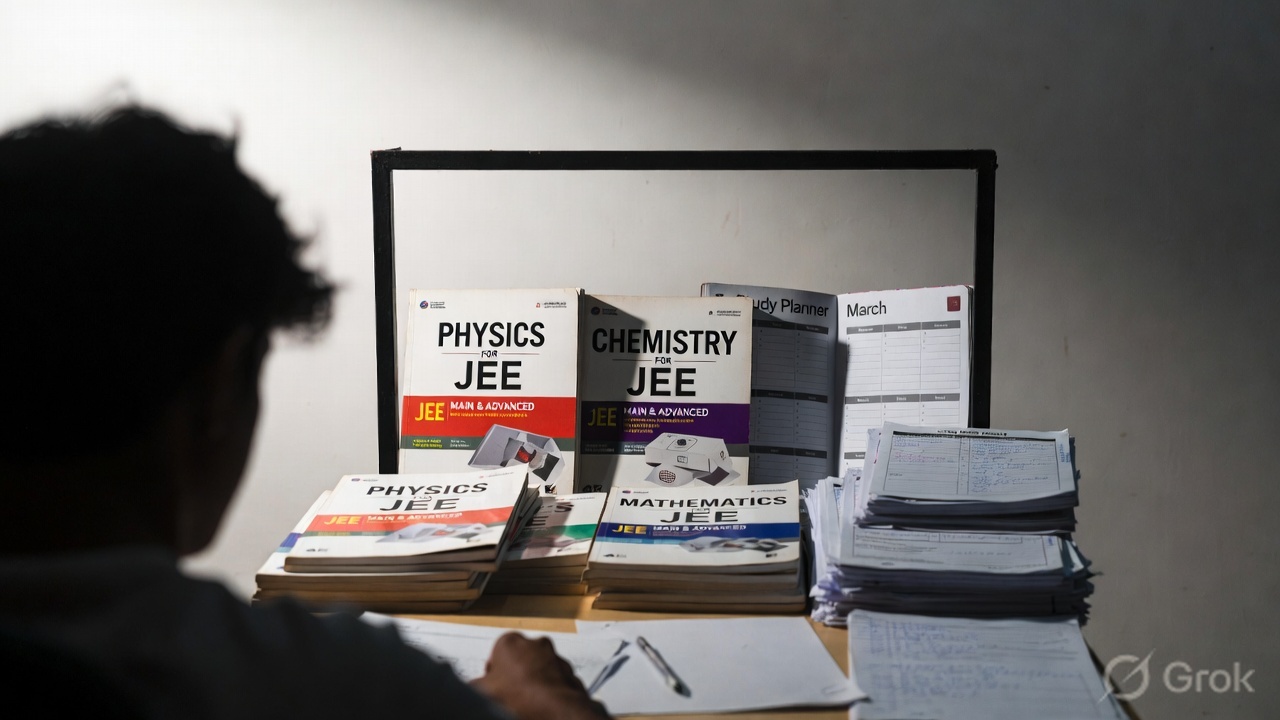
Why March Is the Most Important Month for JEE Preparation
March marks a fresh academic start for most JEE aspirants entering Class 11. At this stage, preparation habits are formed. The routines you build now often decide how smoothly your preparation progresses over the next two years.
Many students underestimate March and start serious preparation months later. However, early planning gives you a huge advantage. You can understand concepts slowly, avoid pressure, and maintain consistency.
In fact, most successful JEE rankers emphasize starting with structured planning early in the academic year.
Setting a Strong Conceptual Foundation
The first priority in March should be concept clarity. JEE questions are rarely direct. They test how well you understand concepts rather than how many formulas you memorize.
Therefore, focus on the following approach:
-
Learn theory carefully from standard textbooks
-
Understand derivations instead of memorizing formulas
-
Practice basic problems immediately after theory
-
Gradually move to advanced problems
Concept clarity in Physics, Chemistry, and Mathematics reduces confusion later during revision.
Designing a Realistic Study Schedule
Consistency matters more than long study hours. Instead of studying randomly, create a balanced weekly plan.
A simple daily schedule could look like this:
-
Physics: 2 hours (concept + problem solving)
-
Chemistry: 1.5 hours (theory + NCERT practice)
-
Mathematics: 2 hours (concept + problem solving)
-
Revision: 30 minutes
This approach keeps all subjects balanced and prevents backlog accumulation.
Choosing the Right Study Material
Another crucial element in JEE 2026 preparation is selecting proper study resources. Too many books often confuse students.
Start with limited but high-quality material.
Recommended Study Resources
-
NCERT textbooks for Chemistry
-
Standard coaching modules
-
Previous year JEE questions
-
Regular mock tests
Building Problem-Solving Skills Early
JEE preparation heavily depends on problem-solving ability. Students who practice questions daily develop speed and analytical thinking.
Instead of solving hundreds of random questions, try this method:
-
Solve 15–20 quality problems daily
-
Analyze mistakes carefully
-
Reattempt difficult questions after a few days
This process improves both accuracy and conceptual understanding.
Smart Subject Strategy for PCM
Each subject requires a slightly different preparation approach.
Physics
Physics requires conceptual clarity and numerical practice.
Focus on:
-
Understanding derivations
-
Practicing numerical problems
-
Visualizing physical concepts
Chemistry
Chemistry is divided into three parts.
-
Physical Chemistry: Numerical practice
-
Organic Chemistry: Reaction mechanisms
-
Inorganic Chemistry: NCERT-based memorization
Mathematics
Mathematics demands regular practice. The more questions you solve, the more comfortable you become.
Practice different difficulty levels regularly.
Avoiding Common Mistakes During Early Preparation
Many students lose valuable time due to avoidable mistakes.
Some common errors include:
-
Ignoring basic concepts
-
Skipping NCERT textbooks
-
Studying without solving questions
-
Comparing progress with others
-
Studying too many books simultaneously
Avoiding these mistakes can significantly improve your preparation quality.
Importance of Weekly Mock Tests
Testing is the backbone of competitive exam preparation.
Mock tests help students:
-
Understand exam pattern
-
Improve time management
-
Identify weak topics
-
Build confidence
Even in early months like March, topic-wise tests should be attempted regularly.
Balancing School Studies and JEE Preparation
Class 11 students often struggle to balance school and competitive exam preparation.
The solution is integration.
Study the same chapter for school and JEE simultaneously. For example:
-
If your school teaches Kinematics, practice advanced questions after completing theory.
-
When learning Chemical Bonding, revise NCERT thoroughly.
This approach saves time and strengthens concepts.
Monthly Progress Tracking
Tracking progress keeps motivation high.
Create a simple monthly checklist:
-
Chapters completed
-
Number of problems solved
-
Mock test scores
-
Weak areas identified
Regular monitoring helps you adjust your strategy and stay consistent.
Mental Discipline and Long-Term Consistency
JEE preparation is a marathon, not a sprint.
Students who stay consistent for two years usually outperform those who rely on last-minute preparation.
Some simple habits can help:
-
Study at the same time daily
-
Avoid excessive social media
-
Maintain healthy sleep cycles
-
Take short breaks between study sessions
Small habits create long-term success.
Conclusion
JEE 2026: March Preparation Strategy for Long-Term Success is all about building the right habits from the beginning. By focusing on concept clarity, structured study schedules, regular problem-solving, and weekly testing, students can create a strong academic foundation. March may seem early, but the preparation choices made now can significantly impact your final rank. Start smart, stay consistent, and let every month strengthen your preparation journey.