
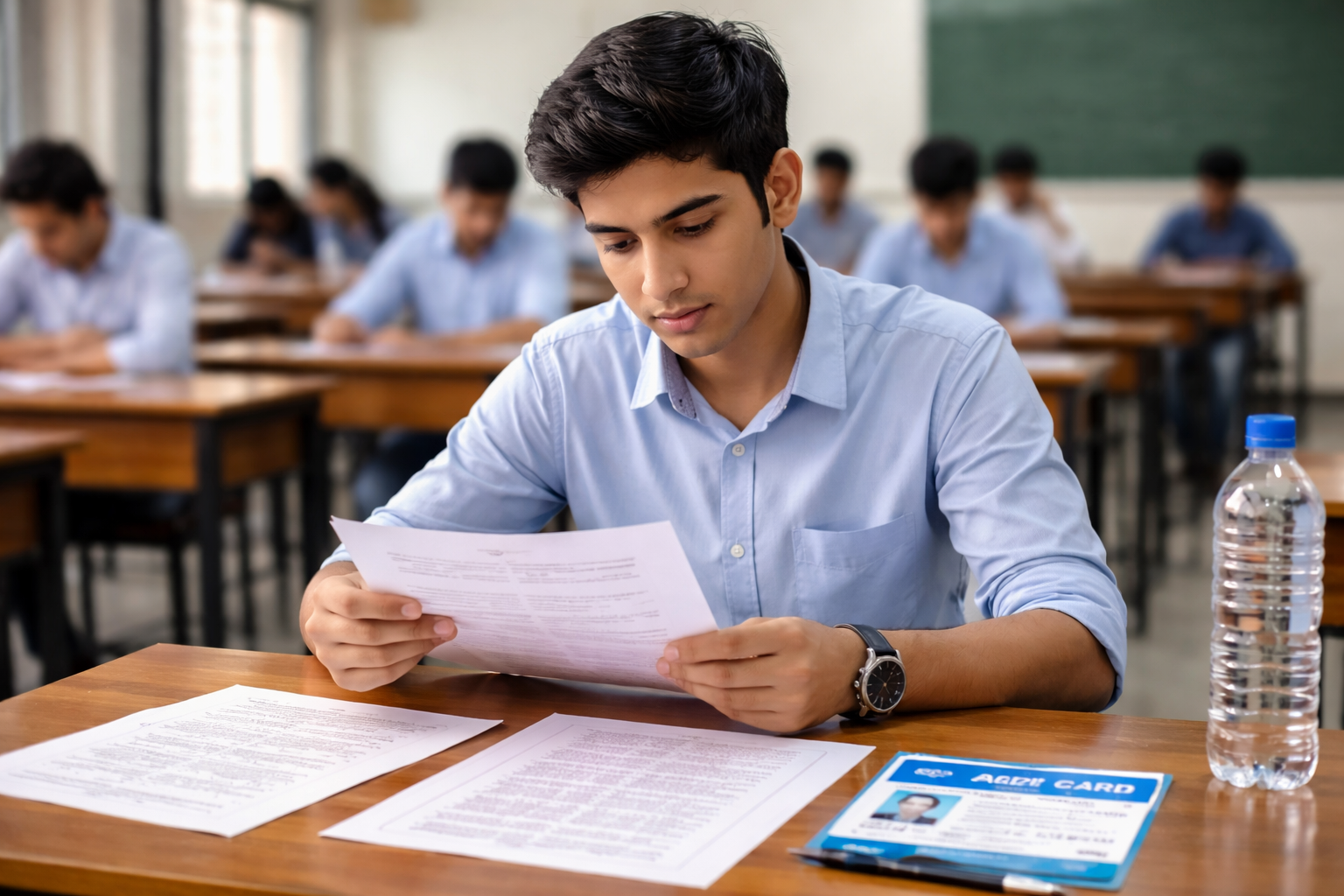
CBSE Boards 2026 exam day do’s and don’ts for students can make a real difference in how confidently you attempt your paper. Even well-prepared students sometimes lose marks due to panic, poor time management, or avoidable mistakes in the exam hall. Knowing what to do—and what to avoid—on the day of your board exam helps you stay calm, focused, and ready to give your best performance.
Why Exam Day Strategy Matters in CBSE Boards
Students often spend months preparing for CBSE board exams but forget the importance of exam-day strategy. Even a small mistake—like misreading a question or poor time management—can affect your final score.
A clear plan for the exam day helps you:
-
Stay calm under pressure
-
Manage time efficiently
-
Avoid silly mistakes
-
Attempt questions confidently
Therefore, exam-day discipline is just as important as preparation.
The Night Before the CBSE Board Exam
The preparation for exam day actually begins the night before.
Instead of trying to study everything at the last moment, focus on quick revision. Revising formulas, diagrams, and key concepts helps refresh your memory without causing stress.
Things You Should Do
-
Revise summary notes
-
Keep your admit card ready
-
Prepare stationery
-
Sleep at least 7–8 hours
A proper night’s rest improves concentration during the exam.
What to Carry to the Examination Centre
Students sometimes panic because they forget important items.
Make sure you carry the following:
-
CBSE Admit Card
-
Two or three blue pens
-
Pencil and eraser
-
Geometry box (if required)
-
Transparent water bottle
-
Watch for time management
Keeping everything ready beforehand avoids unnecessary stress in the morning.
Arriving Early at the Exam Centre
Reaching the exam centre early is always recommended.
Try to arrive at least 30–45 minutes before reporting time. This gives you enough time to settle down and avoid anxiety caused by rushing.
Moreover, arriving early allows you to relax and mentally prepare for the exam.
Students who arrive late often start the paper in panic mode, which can affect performance.
Reading the Question Paper Carefully
Once the exam begins, the first few minutes are extremely important.
Use the initial 10–15 minutes reading time wisely.
During this time:
-
Read all questions carefully
-
Identify easy questions first
-
Mark questions you are confident about
Starting with easy questions boosts confidence and builds momentum
Smart Time Management Strategy
Time management plays a crucial role in board exams.
Divide your time according to the marks of each section.
Example Time Distribution
-
Section A: 20 minutes
-
Section B: 40 minutes
-
Section C: 45 minutes
-
Final revision: 10 minutes
Always keep the last few minutes for reviewing your answer sheet.
How to Write Answers Effectively
CBSE board exams reward clear and structured answers.
Follow these simple techniques:
-
Write answers in points when possible
-
Use headings and subheadings
-
Underline important keywords
-
Draw neat diagrams where required
Presentation often helps examiners evaluate answers quickly and award full marks.
Common Mistakes Students Should Avoid
Many students lose marks because of small mistakes.
Avoid these common errors:
-
Writing answers without reading questions carefully
-
Skipping units in numerical answers
-
Overwriting frequently
-
Spending too much time on one question
-
Leaving questions blank
Staying mindful of these mistakes can improve your overall score.
Managing Stress During the Exam
Feeling nervous before or during the exam is completely normal.
However, managing stress is important for clear thinking.
Quick Stress Control Tips
-
Take slow deep breaths
-
Focus on the current question only
-
Avoid comparing your progress with others
-
Stay confident in your preparation
Remember, calm students perform better than anxious ones.
Importance of Reviewing Your Answer Sheet
The last 10 minutes of the exam are extremely valuable.
Use this time to:
-
Check unanswered questions
-
Correct spelling mistakes
-
Ensure question numbers are correct
-
Verify diagrams and calculations
A quick review can sometimes save 2–5 marks.
Conclusion
CBSE Boards 2026 exam day do’s and don’ts for students highlight the importance of staying calm, organized, and confident during the exam. By preparing the night before, arriving early, managing time wisely, and presenting answers clearly, students can maximize their performance. Remember, exams test not only your knowledge but also your ability to remain focused under pressure. With the right approach, you can walk into the exam hall confidently and give your best performance.