
Preparing for JEE for the first time can feel confusing and overwhelming. Many students struggle with where to start and how to stay consistent. This JEE 2026 complete roadmap for first-time aspirants is designed to simplify preparation, build strong fundamentals, and guide students through each phase with clarity and confidence.
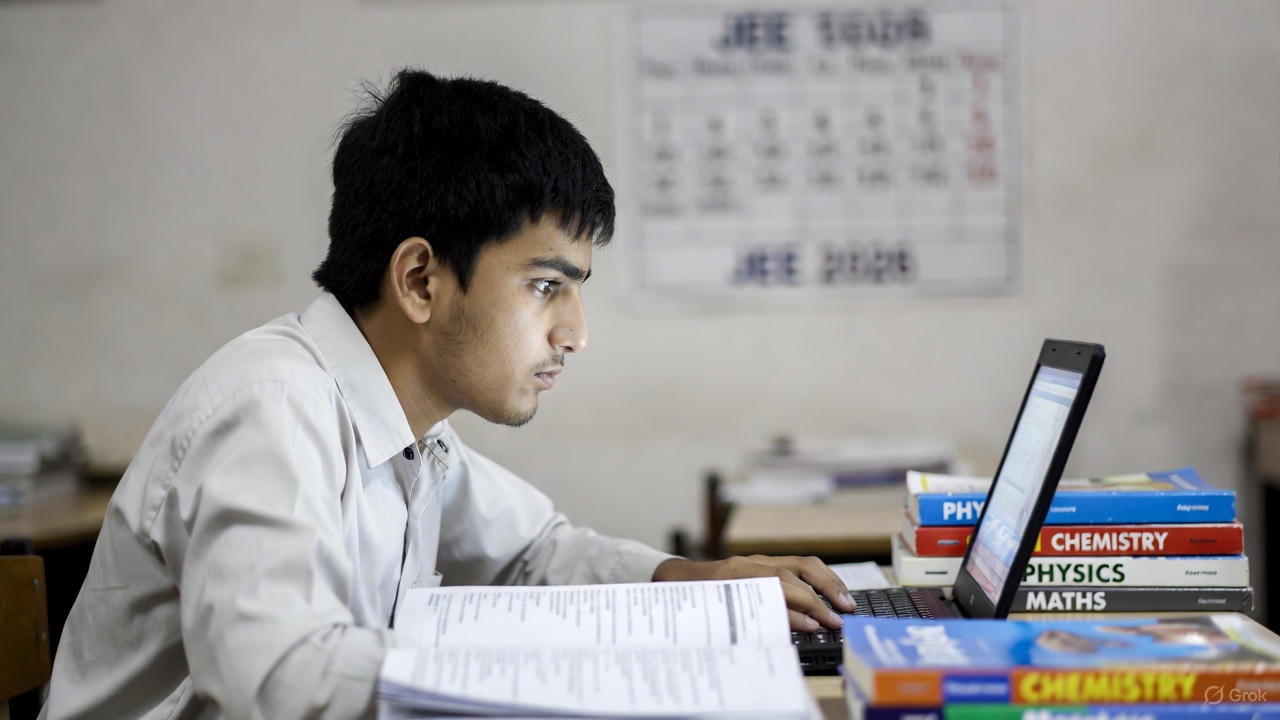
Why First-Time Aspirants Need a Clear JEE Roadmap
To begin with, JEE is not just about intelligence or long study hours. It demands structure, patience, and direction. First-time aspirants often waste months experimenting with methods, which leads to stress later.
A clear roadmap removes confusion and ensures that every effort contributes toward JEE 2026 success.
Understanding the JEE 2026 Exam Structure
Before studying any chapter, aspirants must understand the exam format.
JEE consists of:
-
JEE Main (for eligibility and ranking)
-
JEE Advanced (for IIT admissions)
Both exams are based on Physics, Chemistry, and Mathematics from NCERT syllabus, with higher conceptual depth.
Knowing the structure helps students align preparation correctly.
Knowing the JEE 2026 Syllabus Early
Early syllabus awareness saves time and prevents last-minute panic. First-time aspirants should divide the syllabus into Class 11 and Class 12 portions.
At this stage:
-
Download the official syllabus
-
Identify high-weightage chapters
-
Track overlapping topics
-
Plan long-term coverage
This clarity builds confidence from the start.
Class 11 vs Class 12: How to Balance Both
One common mistake is ignoring Class 11 topics. However, Class 11 forms the backbone of JEE.
Balanced approach:
-
Strengthen Class 11 concepts gradually
-
Align Class 12 chapters with basics
-
Revise old topics regularly
This balance prevents learning gaps.
Subject-Wise Strategy for JEE 2026
Physics Preparation Strategy
Physics tests conceptual understanding more than memorization.
Focus areas:
-
Understand derivations and laws
-
Practice numerical problems daily
-
Improve problem-solving speed
-
Revise formulas weekly
Clarity always beats shortcuts.
Chemistry Preparation Strategy
Chemistry requires different approaches for each section.
Recommended method:
-
Physical: Concept + numerical practice
-
Organic: Reaction mechanisms and logic
-
Inorganic: NCERT-based learning
Consistency makes Chemistry scoring.
Mathematics Preparation Strategy
Mathematics builds with practice and patience.
Important steps:
-
Master basic concepts first
-
Solve graded problems
-
Maintain formula notebook
-
Analyze mistakes deeply
Regular practice improves confidence.
Daily Study Routine for First-Time Aspirants
A disciplined routine keeps preparation on track.
Ideal daily distribution:
-
Physics: 2 hours
-
Chemistry: 2 hours
-
Mathematics: 2 hours
-
Revision and analysis: 1 hour
The routine should be realistic and sustainable.
Weekly and Monthly Planning Strategy
Daily study without planning leads to imbalance.
Weekly goals should include:
-
Chapter completion
-
Problem-solving sessions
-
Mock or sectional tests
-
Error analysis
Monthly planning ensures steady improvement.
Importance of Revision in JEE Preparation
Revision is the backbone of retention. Without it, concepts fade quickly.
Effective revision includes:
-
Daily short revision
-
Weekly chapter-wise revision
-
Monthly cumulative revision
Revision converts learning into performance.
Mock Tests: When and How to Start
Many beginners delay tests due to fear. This is a mistake.
Testing strategy:
-
Start with chapter-wise tests
-
Gradually attempt full-length mocks
-
Focus on accuracy first
-
Analyze every test seriously
Mock tests improve exam temperament.
Common Mistakes First-Time Aspirants Must Avoid
Avoiding mistakes saves months of effort.
Key mistakes:
-
Ignoring NCERT
-
Studying without revision
-
Using too many resources
-
Skipping test analysis
-
Comparing with others
Simple preparation works best.
Planned vs Unplanned JEE Preparation
| Aspect | Planned Roadmap | Unplanned Study |
|---|---|---|
| Concept Clarity | Strong and progressive | Weak and scattered |
| Stress Level | Controlled | High |
| Performance Growth | Steady | Inconsistent |
Role of Coaching and Expert Guidance
Self-study is important, but structured guidance saves time. Coaching helps first-time aspirants with:
-
Organized syllabus flow
-
Expert concept explanation
-
Regular testing system
-
Continuous doubt clearing
Right mentorship prevents common errors.
Conclusion
For first-time aspirants, JEE preparation is a journey that requires patience, discipline, and a clear roadmap. With a structured plan, consistent revision, regular testing, and the right guidance, cracking JEE 2026 becomes achievable. Start early, trust the process, and focus on steady improvement rather than shortcuts.