
JEE Advanced 2026 Organic Chemistry shortcuts to revise fast can completely change your preparation in the final months. Many students struggle with remembering reactions, mechanisms, and exceptions. However, with the right shortcuts and smart revision techniques, you can simplify Organic Chemistry, reduce confusion, and improve both speed and accuracy.
Why Organic Chemistry Needs Smart Revision
Organic Chemistry is not about rote learning—it’s about understanding patterns.
JEE Advanced 2026 Organic Chemistry shortcuts to revise fast help you:
- Remember reactions easily
- Reduce confusion
- Save revision time
Smart strategies make this subject manageable.
Understanding Reaction Mechanisms Instead of Memorizing
Many students try to memorize reactions blindly. This leads to confusion.
Instead:
- Focus on mechanisms
- Understand electron movement
- Learn reaction patterns
When you understand “why,” remembering becomes easier.
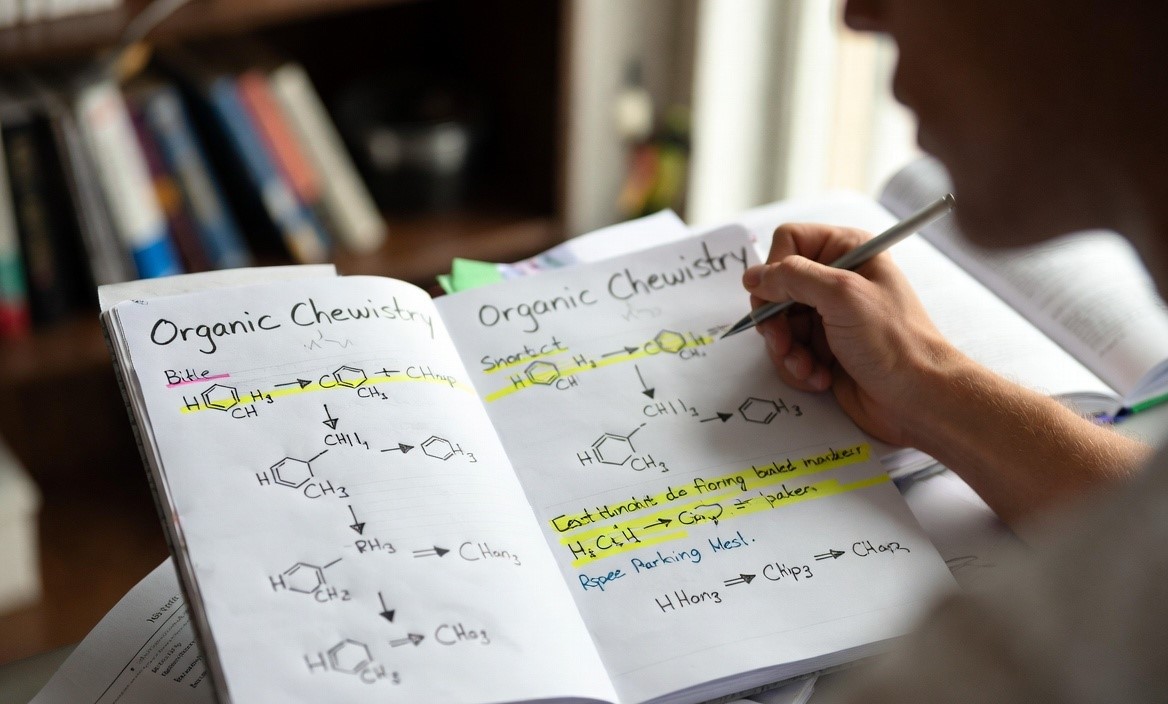
Creating Reaction Flowcharts
Flowcharts are one of the best shortcuts.
They help:
- Connect related reactions
- Visualize pathways
- Revise quickly
Create chapter-wise reaction maps for better retention.
Use Named Reactions as Anchors
Named reactions act as memory triggers.
Examples include:
- Aldol condensation
- Cannizzaro reaction
- Friedel-Crafts reaction
Once you remember these, related reactions become easier.
Comparison Table: Rote Learning vs Shortcut Approach
| Aspect | Rote Learning | Shortcut Method |
|---|---|---|
| Retention | Short-term | Long-term |
| Understanding | Low | High |
| Revision Speed | Slow | Fast |
| Accuracy | Inconsistent | Improved |
Focus on Functional Group Transformations
Organic Chemistry revolves around functional groups.
Shortcut tip:
- Learn conversions between groups
- Practice reaction chains
- Identify patterns
This reduces the need to memorize every reaction.
Mastering Reaction Conditions
Conditions play a crucial role in Organic Chemistry.
Pay attention to:
- Temperature
- Catalyst
- Solvent
Understanding conditions helps predict products correctly.
Practice Through Mixed Questions
Shortcuts are effective only when applied.
Practice:
- Mixed reaction questions
- Assertion-reason
- Mechanism-based problems
This strengthens your application skills.
Revision Strategy for Last 2 Months
A smart revision plan is essential.
Follow this schedule:
- Daily reaction revision (1 hour)
- Practice questions (1–2 hours)
- Weekly full revision
Consistency is key.
Common Mistakes Students Make
Avoid these mistakes:
- Memorizing without understanding
- Ignoring reaction mechanisms
- Skipping revision
- Not practicing enough
Awareness helps prevent errors.
Quick Revision Notes Technique
Use this simple method:
- Write short notes for each chapter
- Highlight key reactions
- Use diagrams and arrows
- Revise daily
This saves time during final revision.
Role of Mock Tests in Organic Chemistry
Mock tests help you apply shortcuts effectively.
They:
- Improve speed
- Build confidence
- Highlight weak areas
Analyze Organic Chemistry mistakes after every test.
Conclusion
In conclusion, JEE Advanced 2026 Organic Chemistry shortcuts to revise fast can make a huge difference in your preparation. By focusing on mechanisms, using flowcharts, and practicing regularly, you can simplify complex topics and improve accuracy. Smart revision is the key to scoring high in Organic Chemistry.