
How social media addiction impacts academic performance is a growing concern among students and parents alike. Many learners spend hours scrolling, often without realizing how deeply it affects focus and memory. If your study hours feel unproductive despite effort, social media habits could be the hidden reason. Understanding this connection is the first step toward academic improvement.
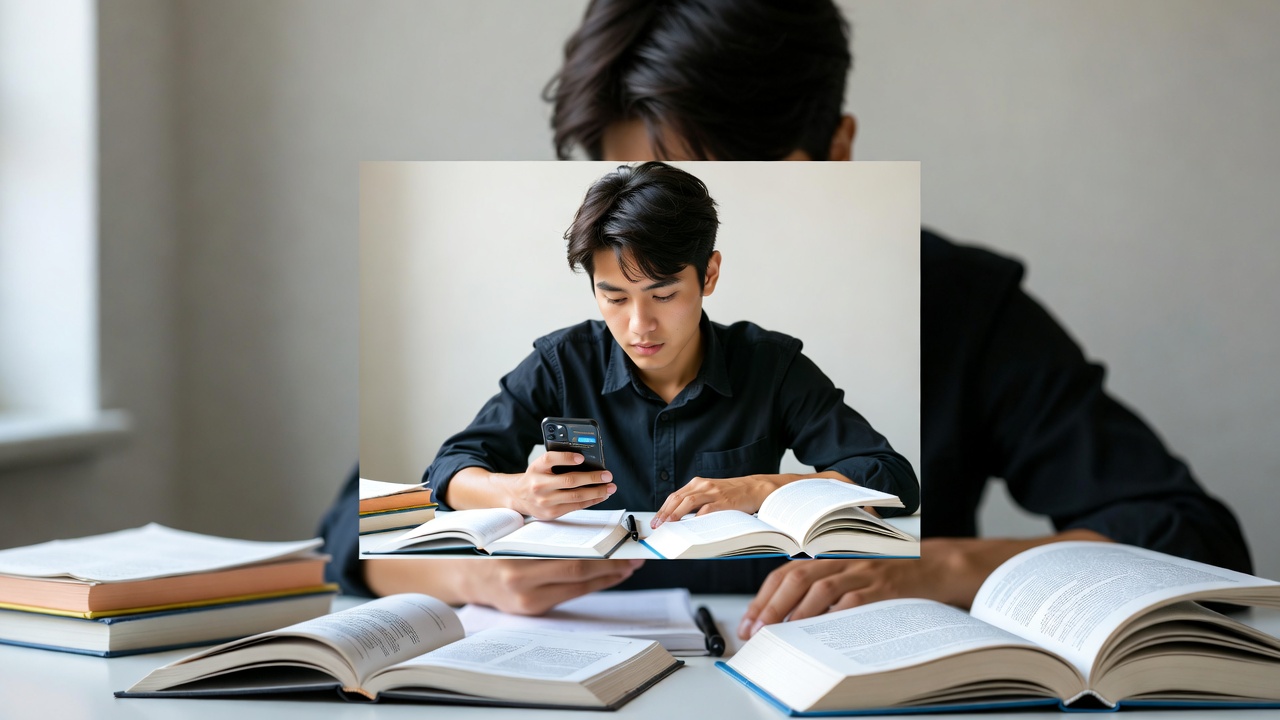
The Hidden Link Between Screen Time and Grades
Many students believe they can multitask—study and scroll simultaneously. However, research consistently shows divided attention reduces learning efficiency.
When notifications interrupt study sessions, the brain takes time to refocus. That delay reduces productivity. Over time, these small interruptions accumulate and impact academic performance significantly.
Moreover, constant digital stimulation lowers deep concentration ability.
Reduced Attention Span and Learning Efficiency
One major reason how social media addiction impacts academic performance is reduced attention span.
Frequent scrolling trains the brain to process short bursts of information. As a result:
-
Long textbook chapters feel boring.
-
Solving numerical problems becomes difficult.
-
Retention of complex topics decreases.
Consequently, students struggle with subjects requiring sustained focus like Mathematics and Science.
Memory Retention Declines With Overuse
Excessive social media exposure affects memory encoding.
When students switch between apps and books, the brain cannot store information effectively. Learning requires repetition and calm focus.
However, social media triggers dopamine release. That makes academic content feel less rewarding. Over time, motivation to study declines.
Sleep Disturbance and Academic Impact
Late-night scrolling affects sleep quality.
Blue light from screens reduces melatonin production. Poor sleep directly impacts:
-
Memory consolidation
-
Problem-solving ability
-
Exam alertness
Therefore, even if students study enough hours, lack of proper sleep lowers performance.
Comparison: Balanced Usage vs Addiction
| Factor | Balanced Usage | Addictive Usage |
|---|---|---|
| Study Focus | Deep concentration | Frequent distractions |
| Sleep | 7–8 hours proper rest | Late-night scrolling |
| Exam Performance | Stable and confident | Inconsistent results |
| Stress Level | Controlled | High anxiety and comparison |
Psychological Pressure and Comparison Culture
Social media promotes comparison.
Seeing others post achievements creates unnecessary pressure. Students start doubting themselves.
This affects confidence during exams. Academic performance declines not due to lack of knowledge but due to mental stress.
Furthermore, excessive comparison reduces intrinsic motivation.
Signs You May Be Addicted
Ask yourself:
-
Do you check your phone every 15 minutes?
-
Do you feel anxious without internet access?
-
Do you scroll even during study breaks?
If the answer is yes, it may be time to reassess habits.
Understanding how social media addiction impacts academic performance helps initiate change.
Practical Strategies to Regain Focus
You do not need to delete apps completely. Instead, adopt control strategies.
1. Use the 45–10 Rule
Study for 45 minutes. Use phone for 10 minutes. Repeat.
2. Disable Non-Essential Notifications
Remove distraction triggers.
3. Keep Phone Out of Study Area
Physical distance reduces temptation.
4. Use App Timers
Limit daily usage to a fixed duration.
Consistency is key.
Role of Structured Study Environment
A disciplined routine reduces dependence on digital distractions.
Joining a structured coaching program can provide:
-
Regular testing
-
Doubt-clearing sessions
-
Academic accountability
Parental and Teacher Guidance Matters
Parents and teachers should encourage open discussions rather than strict restrictions.
Healthy communication helps students understand consequences rather than fear punishment.
Setting realistic digital boundaries works better than complete bans.
Building Healthy Digital Habits
Balance is possible.
Use social media for:
-
Educational content
-
Doubt-solving forums
-
Motivational pages
However, avoid endless scrolling.
Schedule digital detox days before exams to improve focus.
Long-Term Academic and Career Effects
If uncontrolled, social media addiction can affect:
-
Competitive exam preparation
-
College entrance readiness
-
Professional discipline
Developing focus early builds long-term success.
Academic excellence requires sustained concentration, something excessive scrolling disrupts.
Conclusion
Understanding how social media addiction impacts academic performance is essential in today’s digital era. While technology offers learning opportunities, uncontrolled usage reduces focus, memory retention, and sleep quality. By setting limits, creating structured routines, and seeking proper academic guidance, students can regain control. Ultimately, discipline in digital habits translates into stronger academic results and long-term success.