
At TOPPER’S, we believe that personalized attention is the key to academic success. That’s why we maintain a small batch size in every classroom to ensure each student gets the support they need. Small groups allow teachers to address every doubt, provide tailored feedback, and help students strengthen weak concepts effectively. This focused approach not only improves understanding but also builds confidence, leading to better performance in competitive exams like NEET and JEE.

Why Small Batch Size at TOPPER’S Helps in Doubt Solving
1. Personalized Attention Makes Every Student Visible
In large classrooms, it’s easy for students to fade into the background. At TOPPER’S, small batch sizes ensure that every student is noticed, heard, and supported. Teachers can closely monitor each student’s progress and identify problem areas early. This individual focus leads to timely intervention and better results.
2. Stronger Teacher-Student Interaction
When there are fewer students in a class, communication naturally improves. Teachers at TOPPER’S can spend more time addressing each student’s queries and clarifying complex topics. This direct interaction builds trust and comfort, encouraging students to ask questions without hesitation.
3. Faster Doubt Resolution During Lectures
In smaller batches, teachers can immediately pause and clear doubts without disrupting the flow of the class. Students benefit from real-time learning and instant clarification. This approach keeps concepts fresh and avoids confusion later during self-study sessions.
4. Better Peer Learning Environment
A limited number of students means more meaningful discussions. Everyone gets a chance to share ideas and perspectives, which enhances collective understanding. Moreover, peer learning in small groups promotes teamwork and healthy competition.
5. Customised Study Strategies for Each Student
Every learner is different—some grasp quickly, others need more time. In a small batch setting, TOPPER’S faculty can design custom strategies according to each student’s pace and style. This includes personalized assignments, test schedules, and revision plans.
| Aspect | Small Batch at TOPPER’S | Large Batch Coaching |
|---|---|---|
| Teacher Attention | Each student gets focused attention | Limited teacher availability |
| Doubt Solving | Instant and detailed clarification | Often delayed or ignored |
| Interaction | Open discussion encouraged | Minimal student participation |
6. Improved Focus and Concentration
Smaller batches mean fewer distractions. Students are more attentive and disciplined, and teachers can manage the classroom with ease. As a result, overall productivity and concept clarity improve significantly.
7. Enhanced Test and Feedback System
At TOPPER’S, regular mock tests and assessments are conducted in every batch. With fewer students, teachers can give detailed feedback on each paper. This helps identify weak areas quickly and build strategies for improvement.
8. Builds Confidence and Communication
Students in small batches feel more comfortable expressing doubts and interacting with teachers. This boosts confidence and communication skills—both crucial for interviews and group discussions in the future.
9. Easier Progress Tracking for Parents
With limited students, faculty can easily maintain individual progress records. Parents receive regular updates, performance reviews, and suggestions to support their child’s learning journey.
10. Strong Academic Outcomes in Competitive Exams
Data from past results show that students trained in small batches consistently perform better in NEET and JEE. With personalized mentoring, continuous practice, and prompt doubt-solving, they are better prepared for exam challenges.
Example:
A NEET 2024 student, Anjali, improved her Physics score from 90 to 155 marks after joining a small batch at TOPPER’S where her teacher gave weekly one-on-one review sessions.
11. Real-Life Experience of Small Batch Learning
Students often say that the “family-like” environment in small batches makes studying enjoyable. The sense of belonging motivates them to stay consistent and disciplined throughout the preparation phase.
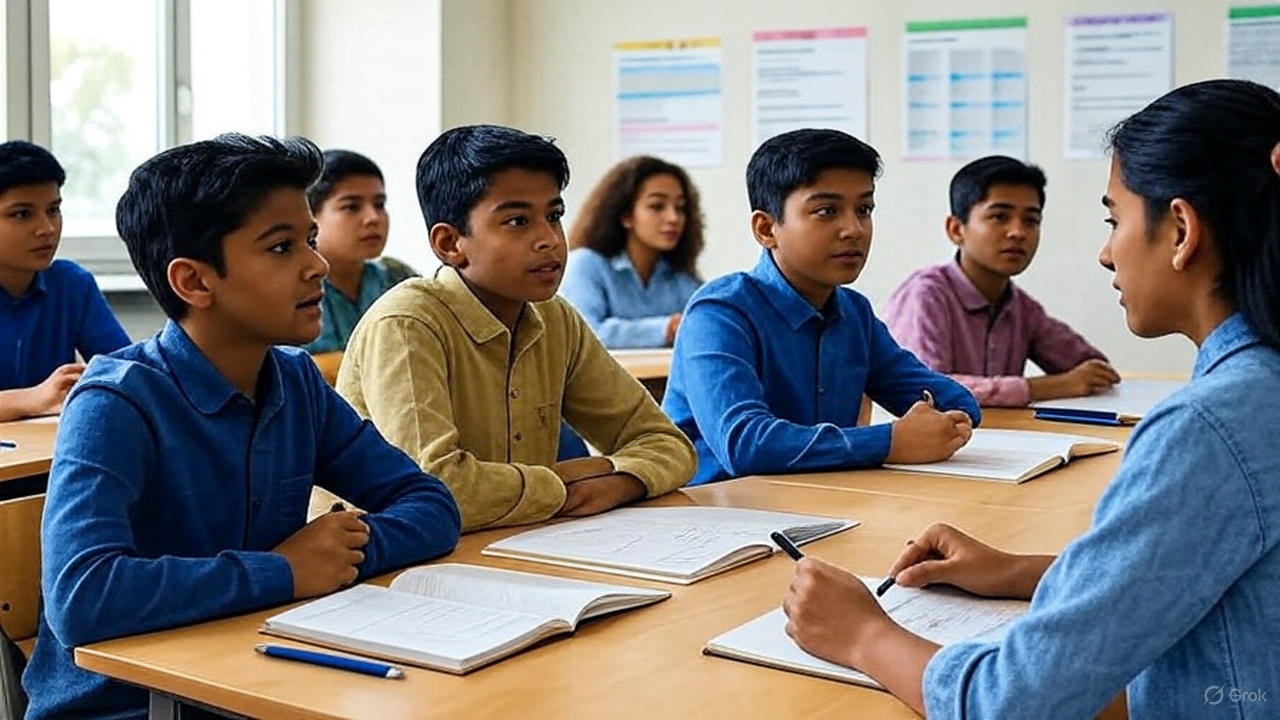
Focused mentoring in small batches brings confidence and clarity.
12. Internal and External Support System
TOPPER’S offers round-the-clock support for both academic and motivational needs.
13. Comparison: Small vs. Large Batch Outcomes
-
Small batch students clear concepts faster and retain information longer.
-
Large batch students often face hesitation in asking doubts.
-
TOPPER’S approach ensures that every student gets the attention they deserve.
Conclusion: Personalized Learning is the Future
In conclusion, the small batch size at TOPPER’S is more than just a teaching strategy—it’s a commitment to quality learning. With focused doubt solving, personalized feedback, and close mentoring, students gain clarity and confidence to excel in NEET, JEE, and other competitive exams. If you want guidance that truly understands your learning pace, TOPPER’S is the place to be.